
Ray Bradbury
Ray Bradbury
Author Overview By the Side Quest Book Club Podcast
“You must stay drunk on writing so reality cannot destroy you.” ~ Ray Bradbury, Zen in the Art of Writing
Why we love Ray Bradbury
While we populate this page, check out our recent episodes.
Author Highlights
Here is what you can expect from a Ray Bradbury story…
Poetic, lyrical writing style
Cautionary themes about technology and society
Timeless stories that explore what it means to be human
Author Bio
Ray Bradbury was one of America’s most influential and imaginative writers, best known for blending science fiction, fantasy, and poetic realism. Over a career spanning more than 70 years, he wrote hundreds of short stories, essays, plays, and novels that explored memory, imagination, censorship, technology, and the human spirit.
His most celebrated works include Fahrenheit 451, The Martian Chronicles, Something Wicked This Way Comes, The Illustrated Man, and Dandelion Wine. Bradbury’s writing helped shape modern science fiction while remaining deeply literary and accessible to general readers.
Beyond books, Bradbury contributed to film, television, and theater, including screenplays for Moby Dick and The Twilight Zone. His influence extended into culture, space exploration, and education, inspiring generations of readers to dream, question, and create.
Bradbury received numerous honors, including a Pulitzer Prize Special Citation, and remains widely regarded as one of the defining literary voices of the 20th century.
This is an abridged bio taken from Ray Bradbury’s website.
Slava’s Thoughts
I love Ray Bradbury because he didn’t see science fiction as only a place for inventions. He used it to reflect on human nature, memory, fear, wonder, and the fragile things we want to keep safe from the future.
I found Ray Bradbury through There Will Come Soft Rains. In a few pages, he says more about technology and quiet extinction than most novels do in hundreds. There are no heroes, no speeches, and almost no people. Just a house that keeps working after its owners are gone.
What makes the story work is how ordinary everything is. The machines still cook breakfast. The clocks still announce the time. The house still tries to care for a family that no longer exists. Bradbury doesn’t explain the disaster. He doesn’t need to. The absence does the work.
The story isn’t about nuclear war in any technical sense. It’s about automation continuing without purpose, and systems outliving the people they were built for. The house becomes a monument to human arrogance and human fragility at the same time.
Jonathan’s Thoughts
My name is Jeff.
If you like Ray Bradbury, you might like …

Andy Weir
Genre: Sci-Fi

Philip K. Dick
Genre: Speculative, Sci-Fi, Dystopian
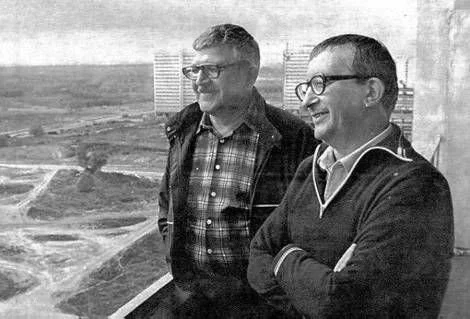
The Strugatsky Brothers
Genre: Sci-Fi