Crime & Punishment: A Timeless 19th Century Novel
Crime and Punishment was written and published in pre–Civil War Russia in 1866—roughly 160 years ago, in a country, culture, and social order radically different from the one I inhabit today. And yet, reading it now, I was struck by how believable and relevant it still feels. Yes, the names can be difficult to track, and the historical distance can create friction for modern readers. In our Side Quest Book Club Podcast episode, co-host Slava provides helpful historical context that clarifies much of this. But once oriented, it becomes clear why this novel has endured. Its tense moments pull you to the edge of your seat, and its philosophical monologues linger long after the page is turned—echoing debates that remain unresolved today.
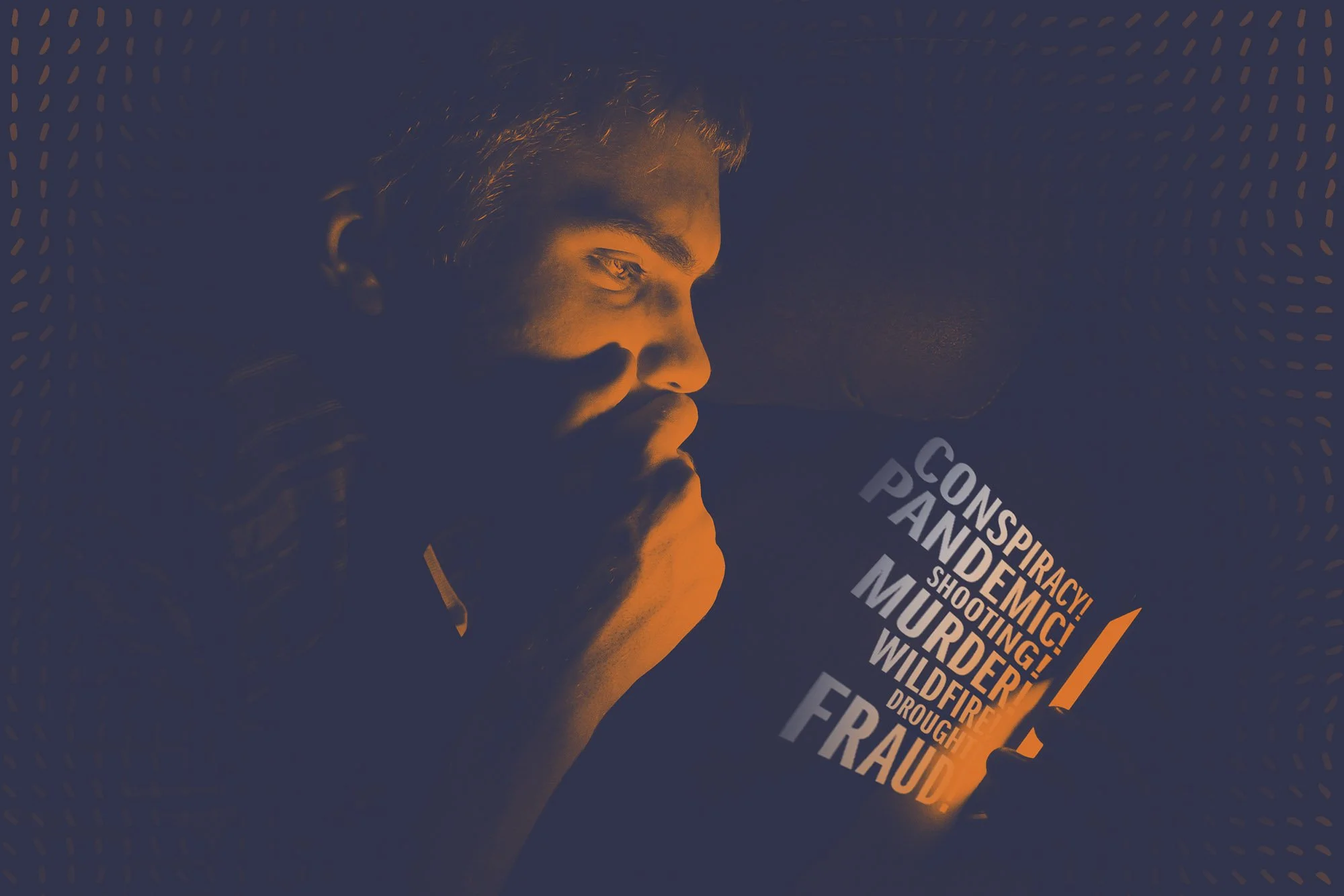
Raskolnikov spends much of the opening of the novel isolated from society. He withdraws from his studies, cuts himself off from others, and lives almost entirely inside his own thoughts—unchecked, uncorrected, and unchallenged. From this isolation, he fixates on the injustices of the world. And who could blame him? I am reading this novel 160 years later in a world of cars, smartphones, indoor plumbing, hot water, and endless entertainment—comforts nonexistent or otherwise largely unavailable in nineteenth-century Russia. Yet suffering and injustice have not disappeared. It is often easier to withdraw from reality than to face rejection, limitation, and the restlessness that comes from recognizing our own inadequacies.
Withdrawing from society is even more accessible today. Doom-scrolling, numbing ourselves behind screens, and opting out of real presence has become normal. Many choose a kind of half-existence—neither fully alive nor fully engaged—because facing reality is painful. From behind screens, people engage with family, neighbors, and even friends with a false sense of distance and safety, as though there are no consequences for what is believed or said online. When you live only in your own mind, there is no external moral reality to confront—no truth that requires sacrifice, humility, or the painful process of dying to self in order to truly live. In this mindset, you owe nothing to society. Instead, society owes you everything. Feelings become the highest authority. Everything becomes distorted.
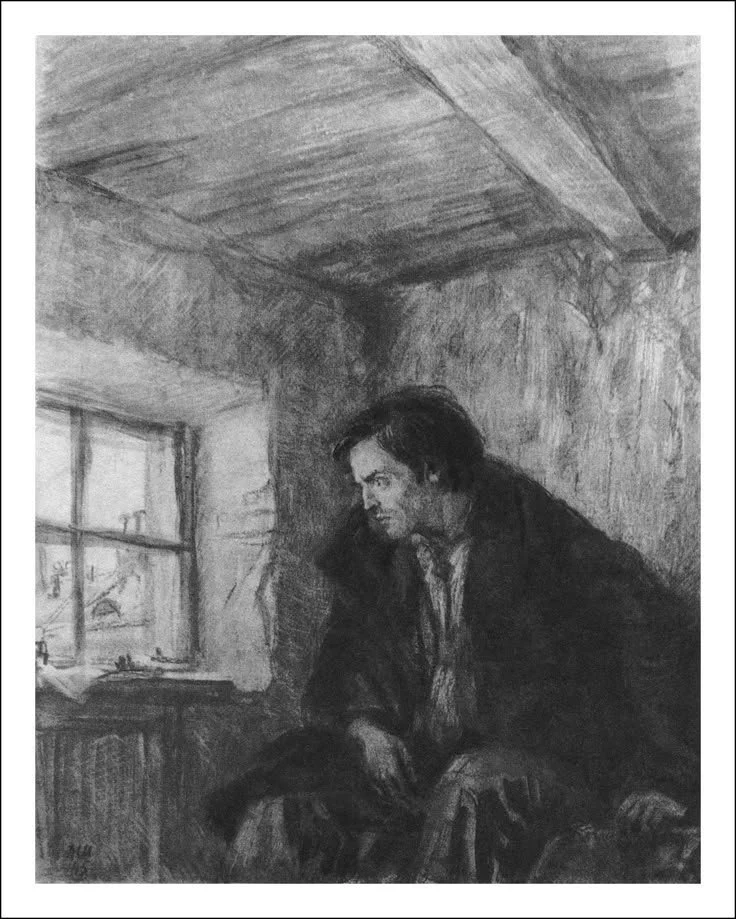
Illustrator D. Shmarinov
This is the mindset Raskolnikov adopts. He refuses the long, difficult sacrifices required to become a great man. Instead of submitting himself to reality, he attempts to escape it. He convinces himself that he is owed something by society—that his supposed superiority justifies taking what he wants by force. Murder becomes, in his mind, a rational act. But reality cannot be avoided forever. All debts eventually come due. Raskolnikov learns this the hard way. In killing the pawnbroker and her sister, he has not merely taken two lives—he has destroyed his own. There is no undoing the act. There is no return to who he was before or who he could have become.
The debates and monologues Dostoevsky pens in Crime and Punishment are still unfolding around us today, just in different clothes. Will you withdraw from reality, or will you face it? That question—uncomfortable and unavoidable—is why this novel still matters.
